Stages of child development for elementary & middle school 2026-07-142026-06-16https://pages.smp.org/wp-content/uploads/2022/12/logo_03.jpgSaint Mary's Presshttps://pages.smp.org/wp-content/uploads/2026/06/0726-stages-of-development-blog.png200px200px
Although every child is wonderfully unique and grows at their own pace, children of the same age often share common developmental patterns. This guide focuses on elementary and middle school students, offering a helpful overview of age-by-age developmental milestones. Becoming familiar with these patterns can help educators and catechists approach young people with greater patience, understanding, and care.
Characteristics of Kindergarten and elementary children
Children in the elementary years are often marked by high energy, curiosity, and a readiness to explore the world around them. While children within the same age group may share common developmental characteristics, growth is not linear and no two children develop in exactly the same way. The overview below highlights what educators can generally expect at each age and offers guidance for responding in ways that support learning, faith formation, and healthy development.
Kindergarten
What to expect: High energy, big emotions, sensory learners
How to respond: Hands-on activities, clear routines, reassurance
First Grade
What to expect: Curious, literal thinkers, need movement
How to respond: Storytelling, varied activities, praise
Second Grade
What to expect: More confident, concrete thinkers
How to respond: Visual aids, structure, partner work
Third Grade
What to expect: Inquisitive, social, beginning abstract thought
How to respond: Group discussion, guided projects
Fourth Grade
What to expect: Independent, justice-oriented, emotional
How to respond: Moral reflection, collaboration
Fifth Grade
What to expect: Maturing thinkers, peer-focused
How to respond: Dialogue, symbolic learning, group work
Age group
What to expect
How to respond
Kindergarten
High energy, big emotions, sensory learners
Hands-on activities, clear routines, reassurance
First grade
Curious, literal thinkers, need movement
Storytelling, varied activities, praise
Second grade
More confident, concrete thinkers
Visual aids, structure, partner work
Third grade
Inquisitive, social, beginning abstract thought
Group discussion, guided projects
Fourth grade
Independent, justice-oriented, emotional
Moral reflection, collaboration
Fifth grade
Maturing thinkers, peer-focused
Dialogue, symbolic learning, group work
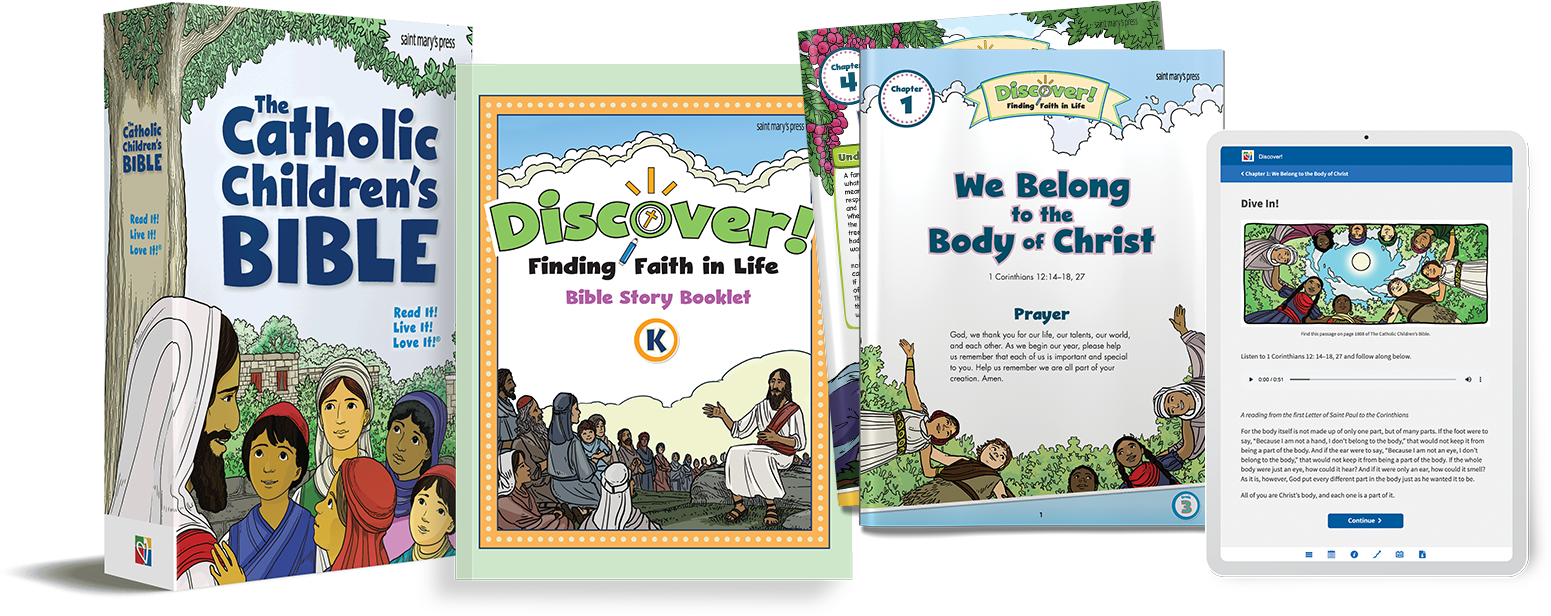
Want to explore these stages more deeply? Download the age-level guide from Discover! Finding Faith in Life to support your work with elementary students.
Developmental characteristics of young adolescents
Adolescence is a time of rapid growth and identity formation. Physical and emotional changes shape how young people think, feel, and relate to the world. Development varies widely, even within the same group, and behaviors that may appear challenging often reflect growth rather than defiance. Below is a high level overview of common developmental trends in young adolescents, paired with guidance to help educators respond in ways that encourage learning, faith formation, and healthy development.
Physical
What you may notice: Rapid growth, clumsiness, heightened self-consciousness, fluctuating energy levels
How to respond: Build in movement, allow flexibility, normalize change, affirm dignity and self-worth
Intellectual
What you may notice: Emerging abstract thinking, strong opinions, desire to right, growing decision-making skills
How to respond: Invite questions, offer choices, encourage critical thinking without power struggles
Emotional
What you may notice: Mood swings, sensitivity, vulnerability to peer pressure, growing empathy
How to respond: Set clear boundaries, provide emotional safety, model empathy and consistency
Area of development
What you may notice
How to respond
Physical
Rapid growth, clumsiness, heightened self-consciousness, fluctuating energy levels
Build in movement, allow flexibility, normalize change, affirm dignity and self-worth
Intellectual
Emerging abstract thinking, strong opinions, desire to be right, growing decision-making skills
Invite questions, offer choices, encourage critical thinking without power struggles
Emotional
Mood swings, sensitivity, vulnerability to peer pressure, growing empathy
Set clear boundaries, provide emotional safety, model empathy and consistency
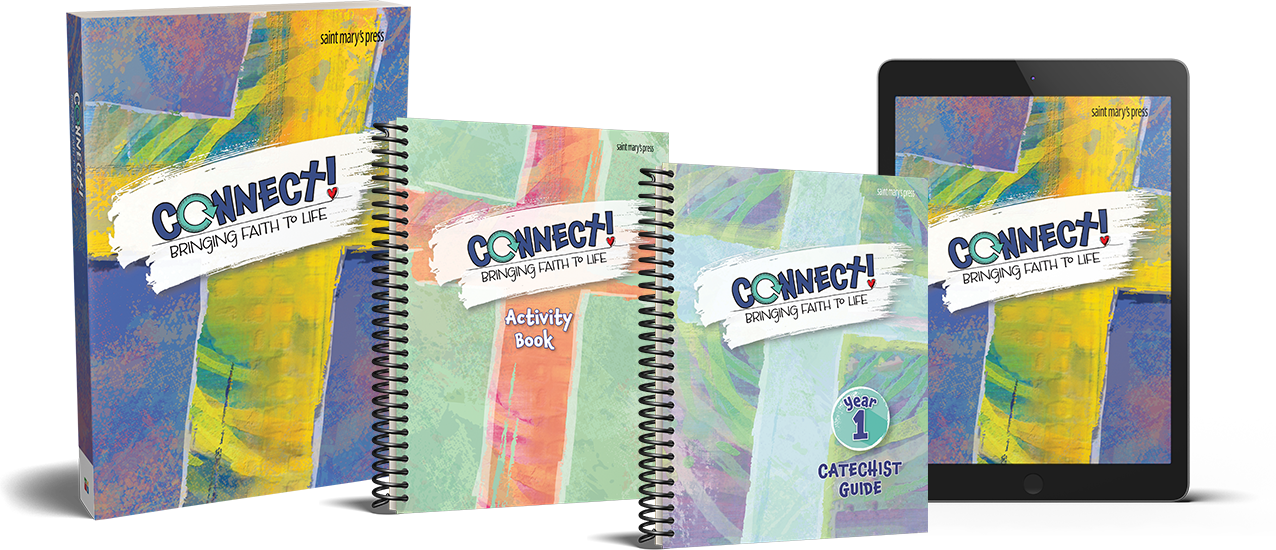
Want more information on these stages? Download the age-level guide from Connect! Bringing Faith to Lifeto support your work with middle students.